




.jpg)
Roughly 80 percent of plastic debris in the ocean came from land. Not from ships dumping waste overboard or from offshore industrial accidents, but from cities whose waste management systems can’t keep up.
For decades, international maritime law focused on plastic already at sea - what ships could discharge and what ports had to manage. But the data shows that most ocean plastic originates on land, carried further by rivers and runoff. Regulating the endpoint without addressing the source is a structural mismatch.
Everything upstream -all the production and consumption -and inadequate disposal on dry land, has traditionally been left to individual countries to sort out on their own. This is now being reconsidered, and the proof is in treaty negotiations, shipping regulations, and national bans happening across every continent.
The Plastics Treaty Is Still Unfinished
Despite years of discussion, the UN Global Plastics Treaty doesn't actually exist. The fifth round of negotiations, INC-5, took place in Geneva, Switzerland, in late November 2024 and ended without an agreement.
A follow-up session in August 2025, INC-5.2, brought over 2,600 delegates from 183 countries together. It ended without a deal, too, and according to the official press release, “Member States [expressed a desire] to continue the process, recognizing the significant difference of views between states. A new INC chair was elected in February 2026, and the next negotiating session hasn't been scheduled yet.
The original mandate signed in 2022, set a deadline of end-2024 for completing a legally binding global plastics treaty but, that deadline’s passed. Negotiations keep stalling on whether any treaty should cap plastic production at all, how developing countries get financed to meet their obligations, and how much sovereignty countries are willing to cede to a global enforcement body.
In a 2026 analysis, international legal regulation of marine plastic pollution had previously focused on isolated norms such as what ships can dump, what waste crosses borders, rather than the entire life cycle of plastic from production to disposal.
The 2022 mandate changed this scope for the first time, and the framing is now embedded in the texts negotiators are still working from. A majority of states, including many in Africa, Latin America, and the EU, held firm that legally binding measures are needed to phase out the most hazardous plastics and to regulate chemicals used in plastic production.
What the IMO & the Shipping Industry Are Doing To Address Waste
Away from the treaty headlines, the International Maritime Organization (IMO) has been updating the existing regulatory architecture. MARPOL Annex V, the provision that bans ships from discharging any plastic waste at sea, has been in place since 1988 and is now ratified by 156 countries. In March 2024, the IMO's Marine Environment Protection Committee approved new recommendations on the transport of plastic pellets in freight containers. This came after years of incidents where industrial pellets spilled from ships and turned up on beaches, including recurring contamination on British and Spanish coastlines.
The IMO is also developing a reporting system for lost and abandoned fishing gear, a category that tends to fall through the cracks because abandoned nets don't come with receipts, and proving attribution is difficult. A mandatory reporting framework won't fix that entirely, but it starts to create a paper trail where there's currently none.
The limitation is that MARPOL only governs ships, and around 80 percent of plastic in the ocean didn't come from ships. This gap is precisely what a plastics treaty is meant to fill.
One Slow Wave of Bans
More than 130 countries have now enacted some form of restriction on single-use plastic bags. Bangladesh was first, in 2002, after plastic bags were found to clog drainage systems and contribute to severe flooding. Kenya's 2017 ban came with criminal penalties of up to four years in prison, which is aggressive because it signals a level of political seriousness that most environmental regulations don't match.
The EU's Single-Use Plastics Directive, enforced starting July 2021, banned plastic plates, cutlery, straws, balloon sticks, and cotton buds across all member states. In 2024, the EU went further with the Packaging and Packaging Waste Regulation, setting requirements that take full effect this year.
Since 2022, China and India have both been running phased bans on non-compostable single-use plastics. As of 2023, Norway now achieves a 92.3% return rate for plastic bottles and cans through a deposit scheme since its official nationwide implementation in 1999.
The Parts That Don't Resolve Cleanly
Acknowledging these developments isn’t the same as saying all the bases are covered.
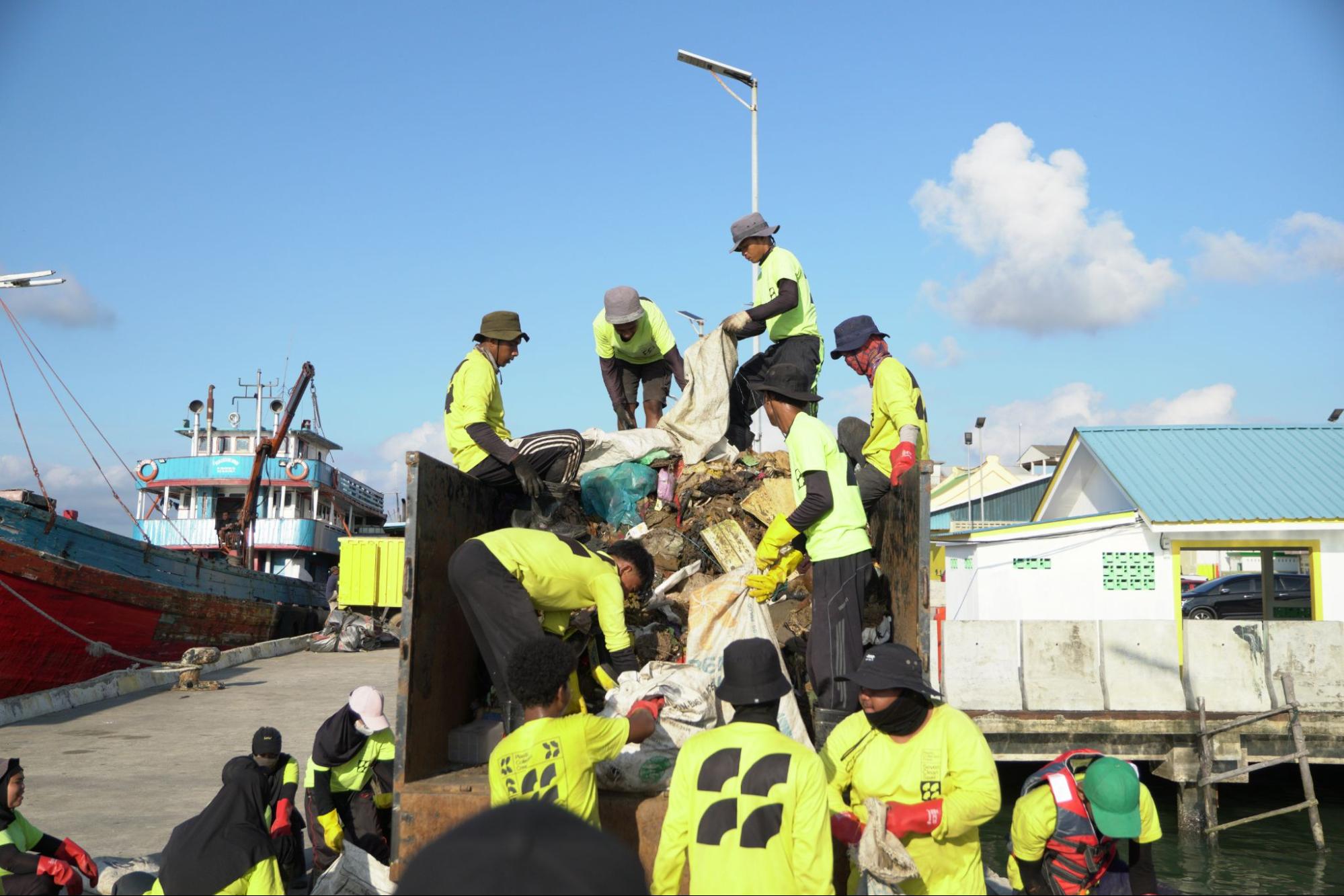
United Nations Convention on the Law of the Sea (UNCLOS) imposes broad obligations to protect the marine environment but lacks binding enforcement mechanisms; MARPOL regulates ship waste; the Basel Convention governs the transboundary movement of hazardous materials and the Stockholm Convention indirectly restricts persistent organic pollutants in plastics.
These instruments were designed at different times for different problems, and they don't feed into a unified system. The standards are inconsistent, the jurisdictions overlap without linking, and most treaties lack dedicated bodies to oversee implementation when countries fall short.
The financing disagreement in the treaty negotiations is also a real problem. A country that currently lacks the infrastructure to manage plastic waste domestically cannot meet its international treaty obligations without the resources to build that infrastructure. That asymmetry between obligation and capacity is one of the reasons the high-ambition coalition, despite its size and consistency, hasn't yet been enough to close a deal.
What June 8 Is For
On World Ocean Day 2026, more legal architecture for governing plastic pollution exists than at any previous point in history. The treaty process, though unfinished, has produced a negotiating foundation that treats plastic full life cycle as the domain of international law.
The IMO is closing specific gaps in maritime regulation. Over a hundred countries have enacted national bans or restrictions that have measurably changed consumption patterns. The conversation has moved from whether to regulate plastic to how, at what scale, with what enforcement and funding.
These are harder questions, but they're also a sign that things are moving in the right direction. The ocean has been absorbing this problem for seventy years. The challenge now is whether the systems being built on land can begin to catch up before the gap between production and governance widens further.
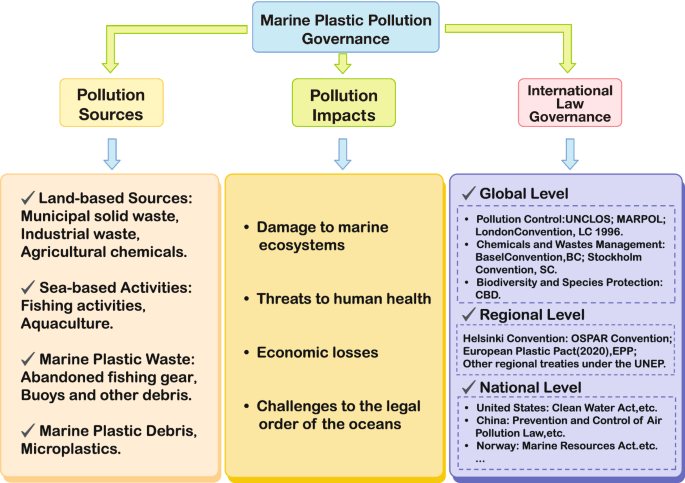
While policymakers negotiate in conference halls, Seven Clean Seas is out in the waters.
We're on a mission to remove 100,000,000 kg of plastic waste from the ocean, operating projects in some of the world's most polluted areas since 2018. Our crews collect plastic from coastlines, mangroves, rivers, and nearshore areas every single day, because the ocean doesn't get a day off and neither do we.
If you believe the ocean deserves more than promises, here's how you can be part of the solution:
- If you work for an organisation, partner with us.
- If you just want to make a difference, make a donation through our 8 for the Ocean Challenge.
The laws are catching up. The crews are already there. Help us close the gap.