



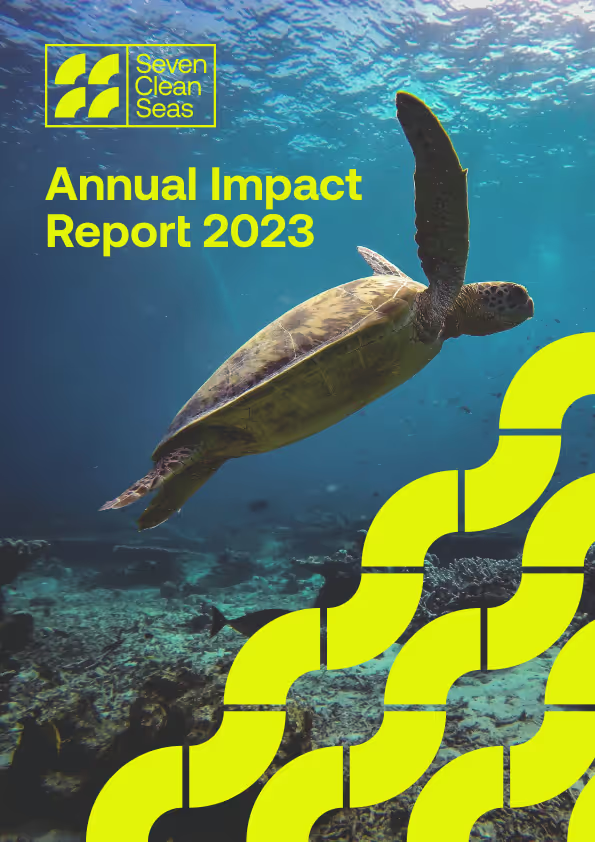

.jpg)

For years, the global conversation around plastic pollution has been dominated by one assumption: the places with the most plastic must also be the places where it causes the greatest harm.
A new study published by the European Commission challenges this idea.
According to the research, the locations with the highest density of ocean plastic do not always coincide with those where it presents the most significant ecological threat and inflicts harm. Instead, risk depends on where plastic overlaps with abundant marine life and vulnerable ecosystems.
There is certainly a layer of subjectivity to how we actually define "harm”. However, in this context, the European Commission assesses “harm” through the lens of marine ecosystem impacts - particularly wildlife entanglement, ingestion, and exposure to plastic-associated pollutants.
While this is an entirely valid perspective, it captures only one small fraction of the story. At Seven Clean Seas, we believe the picture is even broader. The same plastic that threatens marine ecosystems also undermines livelihoods, places pressure on fragile under-funded waste management systems, and affects the health and wellbeing of coastal communities. For us, solving the plastic crisis means protecting both people and nature.
From a marine ecology perspective, there are two important insights that should matter to businesses operating in or around the marine environment - including shipping, logistics, and fisheries.
Insight 1: Why more plastic does not always mean more risk
The study's central finding is surprisingly intuitive once you stop looking at plastic pollution as purely a volume problem.
For years, media attention has focused on offshore "garbage patches" because they contain enormous quantities of floating plastic. However, these regions are often relatively low in biodiversity. Plastic can accumulate there for decades, but it is less likely to interact with marine wildlife than it is in biologically rich coastal waters.
The researchers found that ecological risk is driven by the intersection of plastic pollution and biological productivity. In other words, the greatest harm occurs where plastic and abundant marine life coexist.
This means two locations containing similar amounts of plastic can present vastly different ecological risks depending on the species present, their feeding behaviours, migration patterns, and the surrounding ecosystem.
Essentially, the places with the most plastic are not always the places where removing plastic delivers the greatest ecological benefit.

Insight 2: Why we need to address waste in coastal ecosystems
Another key finding is that different types of ecological harm occur in different environments.
The study concludes that wildlife entanglement is overwhelmingly concentrated in coastal waters, where interactions between marine mammals, seabirds, turtles, fishing gear and floating debris are far more common than in the open ocean. Plastic ingestion risks, meanwhile, are highest where productive marine ecosystems overlap with persistent plastic pollution.
This reinforces something that marine scientists have understood for years: coastal ecosystems are disproportionately important.
Mangroves, estuaries, river mouths, coral reefs and shallow coastal habitats act as nurseries for countless marine species. They are also the first environments exposed to plastic leakage from land.
Protecting these ecosystems therefore has benefits that extend well beyond removing visible litter. It helps protect biodiversity, fisheries, food security and the resilience of coastal communities that depend on healthy oceans.

What this means for the Global South and for businesses
Although much of the European Commission’s study naturally focuses on European waters and the North Atlantic, the underlying principle is just as relevant across a Southeast Asia and the broader Global South.

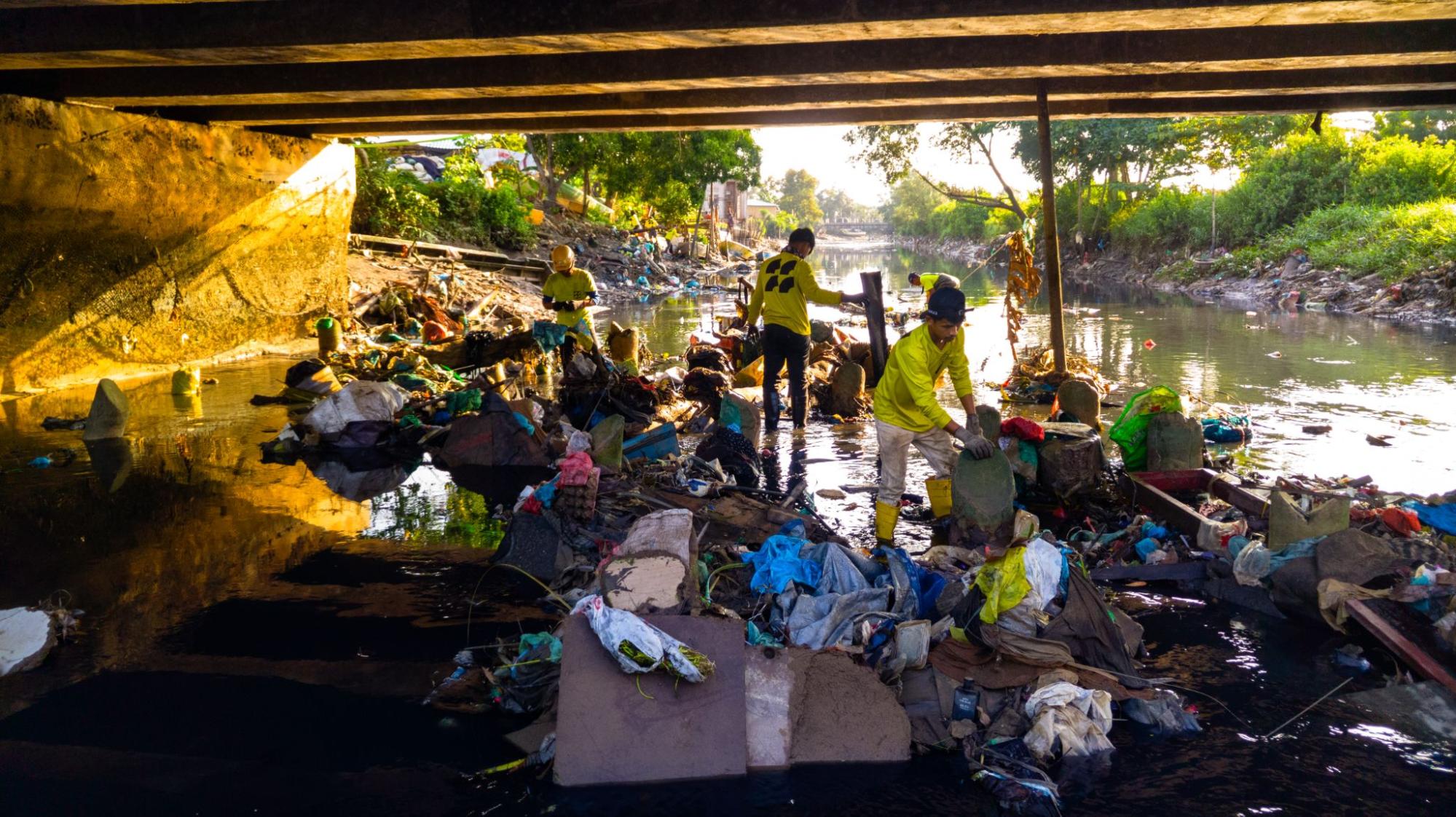
Many of these regions are home to some of the world's richest marine biodiversity, while simultaneously facing rapid urbanisation, increased plastic consumption, and under-resourced waste management systems. The result is that large quantities of plastic continue to leak into rivers, mangroves, estuaries, and coastal waters - the very ecosystems that are highly productive and most vulnerable.
This is one of the reasons Seven Clean Seas prioritises interventions close to the source of plastic leakage. Recovering plastic before it reaches the open ocean helps protect biodiversity while supporting healthier fisheries, more resilient coastal economies, and stronger local waste recovery systems.
For businesses, this reinforces an important point: effective plastic action is not simply about removing the greatest volume of waste. It's about investing in interventions that create the greatest environmental and social impact.
Whether you're looking to reduce your plastic footprint, support high-impact recovery programmes, or build a credible ocean stewardship strategy, where your investment goes matters just as much as how much plastic is removed.
Explore our partner case studies to see how organisations are supporting certified plastic recovery programmes across Southeast Asia, or get in touch with the Seven Clean Seas team to discuss how your business can contribute to measurable, long-term impact.